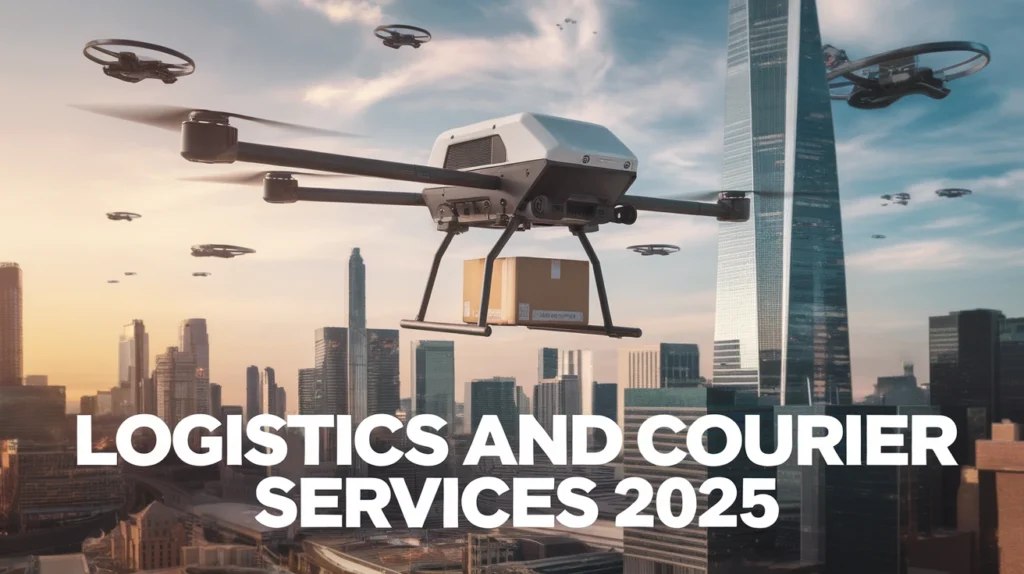
The world of logistics and courier services 2025 is undergoing a dramatic transformation. As global trade expands, customer expectations rise, and digital technologies accelerate, the logistics and delivery industry is shifting toward smarter, faster, and more sustainable solutions. Whether you’re a business owner, eCommerce brand, marketer, supply chain manager, or a logistics enthusiast — understanding the new era of courier and logistics trends is essential for staying competitive.
2025 is shaping up to be the year where delivery becomes ultra-personalized, AI-powered, automation-driven, and environmentally conscious, making logistics one of the most innovative industries of modern times.
Understanding Logistics and Courier Services in 2025
In 2025, logistics isn’t just about transporting goods — it’s about creating a seamless, interconnected ecosystem powered by technology, efficiency, and customer-centered delivery models. Here are the core pillars defining the industry:
- Digital Supply Chains
- AI and Machine Learning
- Blockchain-enabled Transparency
- Automated Warehouses
- Green Logistics
- Hyperlocal and On-Demand Delivery
- Smart Route Optimization
These advancements are reshaping the expectations of businesses and consumers alike.
Why Logistics and Courier Services Matter More Than Ever in 2025
Global commerce depends on logistics — but in 2025, its importance has doubled. Here’s why:
1. Explosive Growth of eCommerce
Online shopping has reached unprecedented heights, especially in emerging markets, pushing logistics providers to adapt by offering faster deliveries, real-time tracking, and flexible fulfillment.
2. Rising Customer Expectations
Consumers want same-day or even one-hour delivery, detailed tracking, and seamless return processes — making modern logistics more customer-driven than ever.
3. Supply Chain Resilience
Recent global disruptions have forced companies to rethink operations and prioritize resilient, data-driven supply chains.
4. Geopolitical Complexity
Cross-border logistics now require smarter systems to handle tariffs, customs, and international compliance.
Top Logistics and Courier Service Trends in 2025
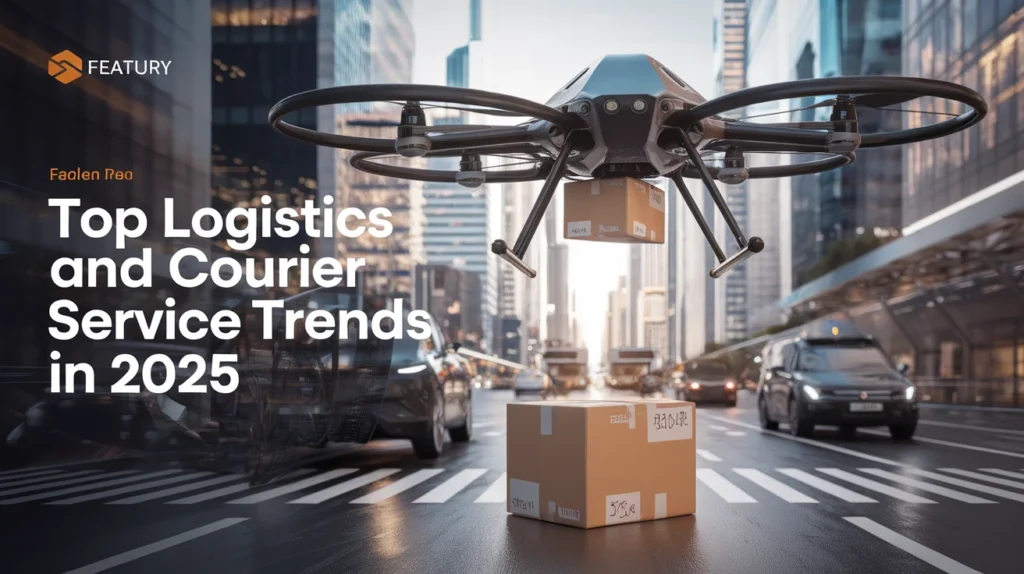
In this section, we break down the most influential trends dominating logistics and courier services in 2025.
AI-Powered Logistics Solutions
Artificial Intelligence is the backbone of logistics in 2025. AI is transforming the industry through:
- Predictive Analytics for demand planning
- Smart Routing to reduce fuel and time
- Automated Customer Support via chatbots
- Risk Management using trends and algorithms
- Optimized Warehouse Operations
How AI Improves Logistics Efficiency
AI FunctionImpact on LogisticsPredictive demand analysisPrevents stockouts and overstockingReal-time route optimizationCuts delivery time and fuel consumptionAutomated sorting systemsEnhances warehouse productivityFraud detectionReduces shipment risksCustomer behavior analysisPersonalizes delivery options
AI not only boosts speed but also reduces operational costs by up to 40% for many logistics providers.
Hyper-Automation in Warehousing
Warehouses in 2025 rely heavily on robotics and automation. Some of the most common innovations include:
- Autonomous Mobile Robots (AMRs)
- Automated Sorting Machines
- Drone Inventory Scanning
- Voice-Directed Picking Systems
- Robotic Palletizers
Why Automation Matters
- Reduces human error
- Enhances warehouse safety
- Lowers labor costs
- Increases picking accuracy
- Guarantees 24/7 operations
Automation is key to meeting fast delivery demands, especially for eCommerce giants.
Last-Mile Delivery Revolution
Last-mile delivery — the final step to the customer — remains the most expensive and complex part of logistics. In 2025, companies are redesigning this through:
- Electric delivery vans
- Crowdsourced delivery models
- Smart lockers and pickup stations
- Drones and ground robots in select regions
- Ultra-fast 10-minute delivery apps
Last-Mile Delivery Challenges in 2025
- Traffic congestion
- Urban delivery restrictions
- Fuel costs
- Failed delivery attempts
Modern Solutions
Companies are integrating smart technologies to make last-mile delivery more efficient:
Last-Mile InnovationBenefitMicro-fulfillment centersFaster delivery to city centersElectric bikes/vansLower emissionsDigital address mappingFewer delivery errorsDrone deliveryFaster for rural areas
Green & Sustainable Logistics
Sustainability isn’t optional anymore — it’s a global mandate. Logistics companies are rapidly shifting towards eco-friendly operations, such as:
- Electric vehicles (EVs)
- Carbon-neutral shipping
- Biodegradable packaging
- Solar-powered warehouses
- Route optimization to reduce emissions
Governments worldwide now encourage sustainable logistics with incentives, grants, and carbon regulations. Consumers also prefer eco-friendly brands, making this trend critical for long-term growth.
Smart Tracking & Real-Time Visibility
Customers want more control and transparency over deliveries. That’s why logistics providers now offer:
- Live GPS tracking
- Delivery time estimates
- Proof of delivery (POD)
- End-to-end visibility
- Automated alerts and notifications
Thanks to IoT devices, RFID tags, and cloud technology, tracking is more accurate and reliable than ever.
Blockchain in Logistics for Anti-Fraud & Transparency
Blockchain ensures secure, tamper-proof records for:
- Shipment tracking
- Payment verification
- Customs documentation
- Supplier validation
- Chain-of-custody management
This reduces fraud, paperwork, and delays — while improving compliance and trust.
Expansion of Global Courier Networks
By 2025, global courier services have expanded rapidly due to:
- International eCommerce boom
- Better shipping partnerships
- Improved cross-border laws
- Trade agreements
- Digital customs processing
Courier companies now offer faster, cheaper, and more reliable international delivery services — even for small businesses.
Types of Logistics and Courier Services in 2025
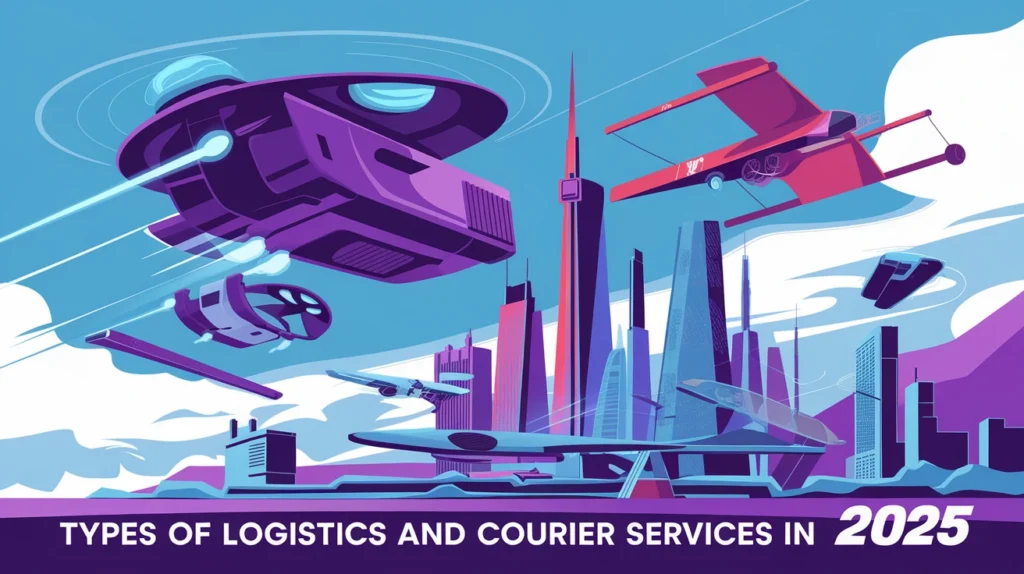
To understand the logistics ecosystem, here are the core service types dominating 2025:
1. Domestic Courier Services
- Same-day delivery
- Next-day shipping
- Bulk delivery
- Door-to-door services
2. International Courier Services
- Express global shipping
- Customs clearance
- Freight forwarding
- International documentation
3. ECommerce Delivery Solutions
- Fulfillment centers
- Cash on delivery (COD)
- Return logistics
- Smart packaging
4. Freight and Cargo Logistics
- Air cargo
- Sea freight
- Rail logistics
- Trucking and inland transport
5. Specialized Delivery Services
- Cold chain logistics
- Medical courier services
- Hazardous material delivery
- Oversized shipment handling
Key Benefits of Modern Logistics and Courier Services
1. Faster Delivery Speeds
Automation and AI make deliveries quicker and more predictable.
2. Improved Customer Satisfaction
Live tracking, flexible schedules, and easy returns boost trust.
3. Lower Operational Costs
Smart systems reduce labor, fuel, and storage expenses.
4. Global Market Expansion
Even small businesses can ship products worldwide affordably.
5. Enhanced Safety & Compliance
Blockchain and IoT ensure secure, compliant shipment handling.
Challenges Facing Logistics & Courier Providers in 2025
Despite major advancements, challenges still exist:
1. High Fuel Prices
Even with EV adoption, fuel cost fluctuations affect logistics.
2. Regulatory Issues
Customs laws, trade agreements, and shipping restrictions vary globally.
3. Workforce Skill Gaps
Advanced technologies require skilled labor and training.
4. Cybersecurity Threats
Digital systems attract hackers, making security crucial.
5. Infrastructure Limitations
Some countries lack high-quality roads, ports, and warehouses.
Best Practices for Successful Logistics Operations in 2025
1. Invest in Automation & AI
Smart tech increases efficiency, reduces cost, and improves speed.
2. Optimize Routes & Fleet Management
Using GPS, telematics, and AI-driven optimization tools.
3. Use Sustainable Packaging
Eco-friendly packaging enhances brand value and reduces carbon impact.
4. Improve Warehouse Management Systems (WMS)
Modern WMS platforms track inventory and productivity in real-time.
5. Provide Multiple Delivery Options
Customers want flexibility: same-day, scheduled, or pickup.
6. Strengthen Cybersecurity Frameworks
Protect operations against data leaks and cyberattacks.
Top Logistics Technologies Dominating 2025

Here’s a detailed list of the most important technologies powering logistics and courier services in 2025:
- AI & Machine Learning
- Internet of Things (IoT)
- Blockchain Systems
- Drones & Delivery Robots
- Autonomous Vehicles
- Warehouse Robotics
- Big Data Analytics
- Cloud-Based ERP Systems
- Smart Sensors
- Telematics Solutions
These innovations form the backbone of modern supply chain operations.
How Businesses Can Choose the Right Logistics Partner in 2025
Choosing a courier or logistics company can make or break your business.
Key Factors to Consider
- Delivery speed options
- Tracking and visibility tools
- Service reliability
- Pricing transparency
- Experience in your niche
- Sustainability efforts
- Scalability during peak seasons
- Customer support quality
Future of Logistics and Courier Services Beyond 2025
The next decade will bring even more innovations:
What’s Coming Next?
- Fully autonomous trucks
- 15-minute drone deliveries
- Ultra-smart supply chains
- Zero-carbon global logistics
- Robotics-powered megawarehouses
- Real-time universal tracking systems
Logistics will evolve into a fully automated, hyper-efficient global ecosystem.
FAQs
1. What are the biggest logistics trends in 2025?
AI automation, drone deliveries, green logistics, real-time tracking, and hyperlocal delivery networks.
2. Why is last-mile delivery important in 2025?
Because it affects customer satisfaction, speed, and cost — making it the most crucial stage of shipping.
3. Are logistics companies using drones in 2025?
Yes, drones are used in select regions for rural, medical, and express deliveries.
4. What makes a courier service reliable in 2025?
Accurate tracking, on-time delivery rates, secure handling, and transparent communication.
5. How has AI changed logistics?
AI optimizes routes, reduces costs, improves warehouse operations, and enhances demand forecasting.
Conclusion
The landscape of logistics and courier services 2025 is smarter, greener, and more dynamic than ever before. Businesses that embrace AI-driven systems, sustainable operations, and customer-centered delivery models will dominate the future. As global demand grows and competition tightens, the most successful logistics companies will be those that innovate, adapt, and prioritize efficiency.
Whether you’re an entrepreneur, eCommerce brand, or supply chain leader, now is the perfect time to harness the next generation of delivery technologies and position your business for long-term success.