In today’s digital age, being discovered online is crucial for businesses, especially for local enterprises. Whether you run a café, a law firm, or a boutique, attracting local customers can make or break your business. This is where local SEO hacks come into play.
These strategies are specifically designed to enhance your online presence in local search results, ensuring your business reaches the right audience at the right time. If you want to dominate local search results, attract nearby customers, and skyrocket your sales, mastering local SEO is essential.
What is Local SEO and Why It Matters
Local SEO (Search Engine Optimization) is the process of optimizing your online presence to attract more business from relevant local searches on Google and other search engines. For example, when someone searches for “best pizza near me” or “car repair in [city name],” local SEO helps your business appear in those search results.
Why Local SEO is Crucial:
- Higher Visibility: Appear in local search results and Google Maps.
- Targeted Traffic: Attract users who are likely to visit your store or use your services.
- Improved Conversion Rates: Local searches usually have high purchase intent.
- Cost-Effective Marketing: A strong local SEO strategy can reduce the need for expensive ads.
Local SEO Hacks to Boost Your Business
Here are the most effective local SEO hacks to help your business dominate local searches.
Optimize Your Google Business Profile (GBP)
Your Google Business Profile (formerly Google My Business) is the cornerstone of local SEO. Businesses with an optimized GBP appear more frequently in the Local Pack and Google Maps.
Key Tips for GBP Optimization:
ElementOptimization TipBusiness NameUse your real business name without stuffing keywords.Address & PhoneEnsure consistency across all online directories.Business HoursKeep updated for holidays and special timings.CategoriesSelect the most relevant primary and secondary categories.DescriptionWrite a compelling description with relevant keywords naturally.Photos & VideosUpload high-quality images showcasing your products/services.ReviewsEncourage customers to leave positive reviews and respond to them.
Hack: Add posts to your GBP regularly, similar to social media updates. It signals activity and relevance to Google.
Target Local Keywords
Keywords are the backbone of SEO. For local SEO, focus on geo-targeted keywords that reflect your service area.
Examples of Local Keywords:
- “Plumber in Dallas”
- “Best sushi restaurant near me”
- “Affordable dental clinic [City Name]”
Tips to Use Local Keywords:
- Include keywords naturally in page titles, meta descriptions, headings, and content.
- Use long-tail keywords that indicate intent, e.g., “24-hour locksmith in Brooklyn.”
- Leverage Google’s autocomplete and People also ask for keyword ideas.
Build Local Citations
Local citations are mentions of your business name, address, and phone number (NAP) across the web. Consistency is key.
Top Citation Sources:
- Yelp
- YellowPages
- Foursquare
- Local Chamber of Commerce websites
Pro Tip: Use tools like Moz Local or BrightLocal to find citation opportunities and ensure consistency across platforms.
Encourage Customer Reviews
Reviews significantly influence local search rankings and consumer trust.
Best Practices for Reviews:
- Ask satisfied customers to leave reviews.
- Respond to every review professionally, whether positive or negative.
- Feature reviews on your website to increase trust signals.
- Use keywords naturally in your review responses.
Hack: Highlight Google reviews on your homepage to improve click-through rates and local SEO relevance.
Create Local Content
Content is not just about keywords; it’s about relevance and value. For local SEO, create content tailored to your audience’s location.
Ideas for Local Content:
- Blog posts about local events or news.
- Guides like “Top 10 Coffee Shops in [City Name].”
- Case studies featuring local clients.
- Local landing pages for each city you serve.
Tip: Include maps, images, and local landmarks in your content for better engagement.
Mobile Optimization
Most local searches happen on mobile devices. Google prioritizes mobile-friendly websites in search results.
Mobile Optimization Checklist:
- Responsive design for all devices.
- Fast loading speed (use tools like Google PageSpeed Insights).
- Easy-to-read fonts and tap-friendly buttons.
- Simplified navigation for local search users.
Optimize for Voice Search
Voice search is growing, and many local searches happen via voice assistants like Siri, Alexa, or Google Assistant.
Voice Search Optimization Tips:
- Use conversational, long-tail keywords.
- Answer questions directly (FAQ format works best).
- Include phrases like “near me” or “[City Name].”
Example: Instead of “pizza restaurant,” optimize for “Where can I get the best pizza near downtown Chicago?”
Build Local Backlinks
Backlinks from local websites signal credibility to Google. Focus on quality over quantity.
Sources for Local Backlinks:
- Local news sites or blogs.
- Sponsorships for local events or charities.
- Partnerships with local businesses.
- Guest posting on community websites.
Hack: Include your website link in online press releases about local events your business sponsors.
Use Structured Data Markup (Schema)
Schema markup helps search engines understand your website content better, enhancing rich results in search.
Recommended Local Schema Types:
- LocalBusiness
- Organization
- Product or Service
- Event
Tip: Adding schema markup can help you appear in rich snippets, boosting CTR.
Leverage Social Media for Local Signals
Social media platforms can indirectly influence local SEO by driving traffic and engagement.
Strategies:
- Include location hashtags on Instagram and Twitter.
- Share your Google Business Profile posts on social channels.
- Engage with local groups and communities on Facebook.
Hack: Geotag your posts to improve local visibility and encourage nearby users to interact.
Monitor Analytics and Local SEO Performance
Tracking your efforts ensures you know what’s working.
Tools to Track Local SEO Performance:
ToolPurposeGoogle AnalyticsTrack website traffic and conversionsGoogle Search ConsoleMonitor local search performanceBrightLocal / Moz LocalTrack local search rankingsAhrefsAnalyze backlinks and keyword performance
Tip: Focus on metrics like clicks from local search, Google Maps views, and direction requests.
Optimize Your Google Business Profile for Maximum Visibility
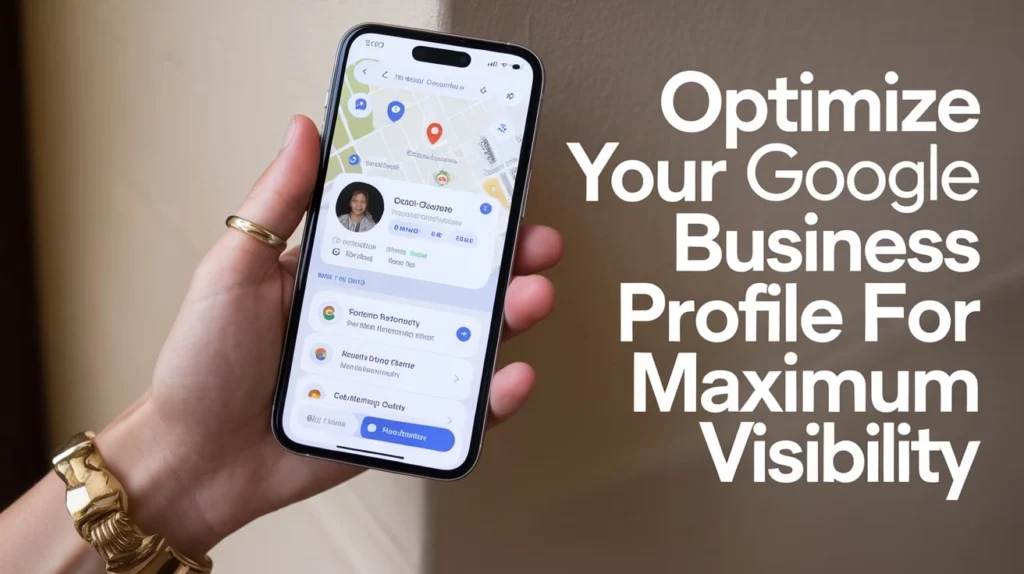
A fully optimized Google Business Profile (GBP) is one of the strongest ranking signals in local search. In this section, explain how businesses should fill out every detail—business name, category, address, service areas, phone number, website, business hours, and attributes. Emphasize that accuracy and consistency with all other online listings (citations) builds trust with Google.
Go deeper by covering:
- How to select the most relevant primary and secondary categories
- Why adding high-quality photos and videos increases engagement
- The impact of GBP posts and how weekly updates signal activity
- How to use Q&A, products, and services features to give Google more context
- Tracking performance using Insights to see keyword impressions and user actions
This heading should show readers that GBP optimization alone can significantly boost local rankings and customer conversions.
Use Hyperlocal Keywords to Attract Nearby Customers
Local SEO goes beyond city-level targeting — hyperlocal keywords focus on small areas, street names, neighbourhoods, districts, and landmarks. Explain how using these terms can help businesses dominate search results for people searching within a very close radius.
Go deeper by covering:
- How to research hyperlocal keywords using Google Autocomplete, Google Maps, “near me” variations, and trend analysis
- Incorporating micro-location keywords in title tags, meta descriptions, image alt text, H1/H2 headings, and internal links
- Creating landing pages or blog posts optimized for specific neighbourhoods (e.g., “Best Dentist in Gulberg Lahore”)
- Why mobile users rely heavily on “near me” searches and how businesses can capture these queries
Make this section actionable by providing sample hyperlocal keywords and placement strategies.
Boost Local Authority with Strategic Online Reviews
Online reviews are not just social proof—they are a major ranking factor for Google. In this section, explain how both volume and quality of reviews influence visibility. Provide a guide for ethically generating more reviews by:
- Asking satisfied customers via SMS, email, and on-site prompts
- Creating QR codes linking directly to the review page
- Encouraging customers to mention specific services or products in their review (Google likes keywords!)
- Responding professionally to positive, neutral, and negative reviews
- Monitoring reviews across Google, Yelp, Facebook, TripAdvisor, and industry-specific platforms
Also discuss how sentiment, recency, and review velocity impact trust and rankings.
Leverage Local Backlinks for Stronger Search Rankings
Local backlinks signal to Google that your business is relevant and trusted within your community. This section should highlight how businesses can acquire high-quality local backlinks, not from global websites but from local sources such as:
- Local news websites and online magazines
- City or community blogs
- Chambers of commerce and business associations
- Local schools, universities, and charities
- Event sponsorships and collaborations
- Local influencers and micro-creators
Explain tactical outreach methods, such as offering expert quotes, writing guest articles, joining local directories, or sponsoring local events. Also suggest how to track backlink quality using tools like Ahrefs, Moz, or Semrush.
Create Locally Focused Content That Solves Community Problems
Locally relevant content helps a business become a trusted authority within its region. This section should encourage creating content based on local needs, such as:
- Local guides (“Top 10 Cafés in Islamabad F-7”)
- Area-specific service pages (e.g., “Plumbing Services in DHA Karachi”)
- Blog posts about local events, news, trends, or emergencies
- Tutorials addressing problems common in the region
- Seasonal content tailored to local climate or culture
- Interviews with local personalities or business owners
Explain how this content strengthens local relevance, increases website traffic from neighbourhood-based searches, and improves user engagement. Mention the importance of updating content regularly to stay relevant to local audiences.
Common Local SEO Mistakes to Avoid

Even with the best strategies, mistakes can sabotage your local SEO efforts:
- Inconsistent NAP: Wrong addresses or phone numbers confuse Google and customers.
- Ignoring Reviews: Unanswered reviews can hurt credibility.
- Keyword Stuffing: Overusing keywords can lead to penalties.
- Neglecting Mobile Optimization: Losing mobile users means losing local customers.
- Poor GBP Management: Outdated business hours or missing categories affect rankings.
Internal Linking Strategy for Local SEO
Internal linking improves site structure, helps search engines crawl your site, and boosts local SEO by connecting location-specific pages.
Tips:
- Link blog posts about local topics to service pages.
- Use anchor text with local keywords naturally.
- Connect multiple location pages if serving different areas.
Example: A plumbing company can link “Drain Cleaning in Brooklyn” blog post to its main “Plumbing Services” page.
FAQs
What is the fastest way to improve local SEO? Optimizing your Google Business Profile, gathering positive reviews, and targeting local keywords are the fastest ways to boost visibility.
How do I rank higher on Google Maps? Consistently update your Google Business Profile, encourage reviews, and ensure NAP consistency across all directories.
Do social media profiles affect local SEO? Indirectly, yes. Active local engagement drives traffic, enhances brand awareness, and signals relevance to search engines.
How often should I update my local SEO strategy? Review your strategy quarterly, but monitor metrics monthly to adjust for local search trends and competitor changes.
Can schema markup really help local SEO? Yes, schema improves how Google understands your content, increasing the likelihood of appearing in rich snippets and local results.
Conclusion
Local SEO is no longer optional for businesses aiming to dominate their neighborhood. By implementing these local SEO hacks, from optimizing your Google Business Profile to leveraging local content and backlinks, you can significantly boost your visibility, attract more customers, and outperform competitors. Remember, consistency and quality matter more than quick tricks. With patience and the right strategies, your business can become the go-to choice in your area, turning online searches into real-world revenue.