
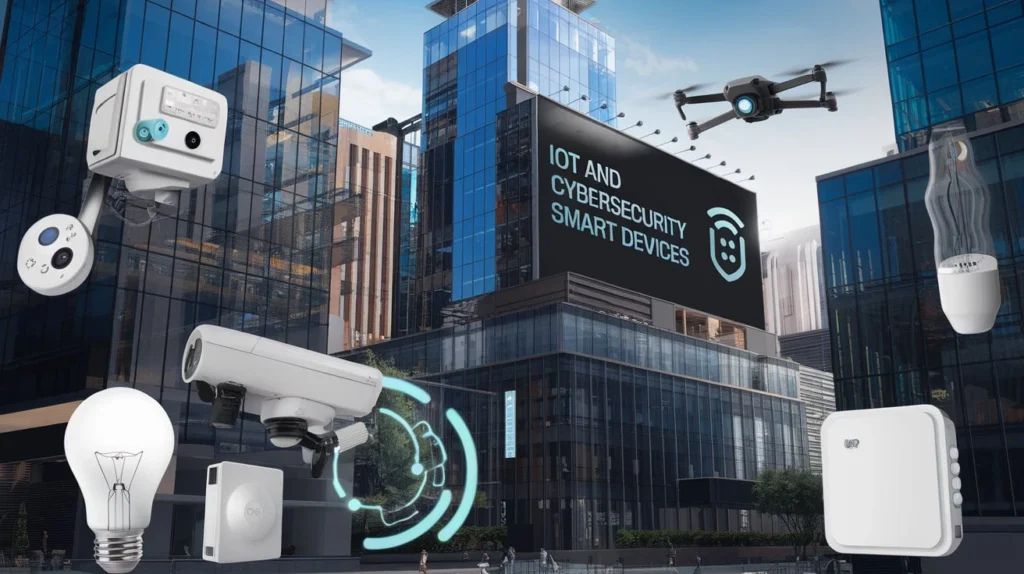
In today’s hyper-connected world, IoT and cybersecurity smart devices have become indispensable to modern living. From smart thermostats and wearable fitness trackers to industrial sensors and connected cars, the Internet of Things (IoT) is transforming the way we live, work, and interact.
However, with this unprecedented connectivity comes a growing threat landscape. Cybersecurity for smart devices is no longer optional—it’s a critical requirement. Understanding the intersection of IoT and cybersecurity is essential for individuals, businesses, and governments to protect sensitive data and maintain system integrity.
This article explores the key concepts, risks, and best practices surrounding IoT and cybersecurity smart devices, offering insights into how to secure our increasingly connected world.
Understanding IoT and Smart Devices
IoT (Internet of Things) refers to the network of physical devices embedded with sensors, software, and connectivity that allow them to collect, share, and exchange data over the internet. Smart devices are the tangible end-products of IoT technology that interact with users and systems to provide enhanced functionality.
Common Types of IoT Smart Devices
Device TypeExamplesFunctionalitySmart Home DevicesSmart speakers, thermostats, security camerasAutomate home tasks, provide remote control and monitoringWearablesFitness trackers, smartwatchesMonitor health metrics, track activity, provide notificationsIndustrial IoT (IIoT)Sensors, robotics, smart metersOptimize operations, reduce downtime, improve efficiencyConnected VehiclesGPS-enabled cars, autonomous vehiclesEnhance navigation, safety, and traffic managementHealthcare DevicesSmart insulin pumps, connected diagnostic toolsProvide real-time patient monitoring, remote health management
IoT devices rely heavily on connectivity, which makes them vulnerable to cyberattacks if not properly secured. This leads us to the crucial role of cybersecurity in the IoT ecosystem.
The Importance of Cybersecurity in IoT
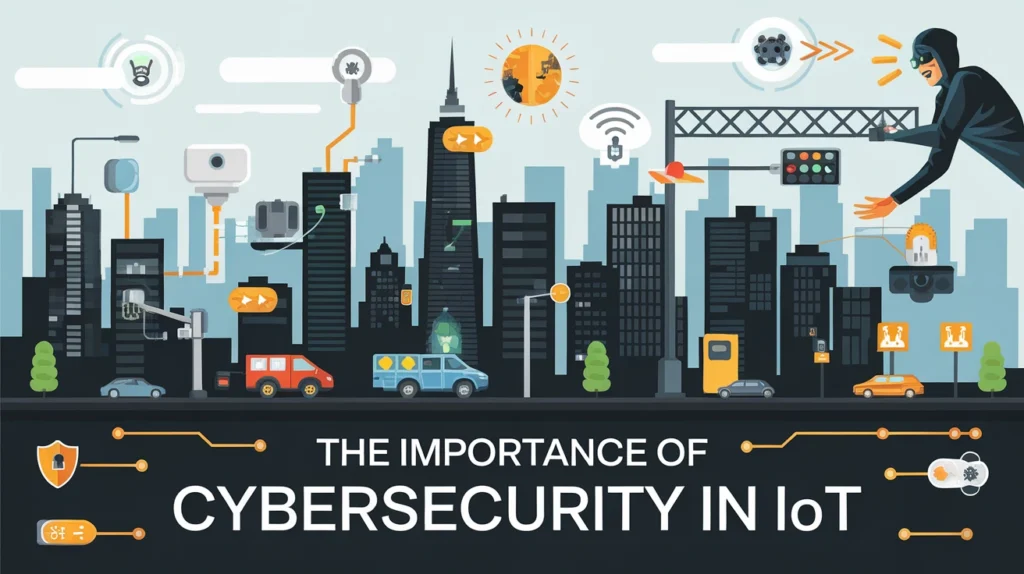
Cybersecurity is the practice of protecting systems, networks, and data from digital attacks. When applied to IoT devices, cybersecurity ensures that smart devices operate safely, securely, and as intended.
Why IoT Cybersecurity Matters
- Data Protection – IoT devices often store sensitive personal or organizational data, such as health records, financial information, or business intelligence.
- System Integrity – Compromised devices can disrupt critical operations, especially in industrial or healthcare sectors.
- Privacy Concerns – Unsecured devices can expose private user information to hackers.
- Regulatory Compliance – Many industries must follow regulations like GDPR, HIPAA, and ISO standards, which include cybersecurity mandates.
Without proper security measures, IoT devices can be exploited in cyberattacks, including malware infections, ransomware attacks, and botnet recruitment for large-scale attacks.
Common Cyber Threats to IoT Devices
IoT devices face a unique set of cybersecurity challenges due to their interconnected nature and often limited computing resources.
Key Threats
- Botnets and DDoS Attacks – Compromised IoT devices can be hijacked to flood networks with traffic.
- Unauthorized Access – Weak passwords or unsecured endpoints allow attackers to gain control.
- Data Breaches – Sensitive information transmitted by IoT devices can be intercepted.
- Firmware Vulnerabilities – Outdated software can contain security flaws.
- Physical Device Manipulation – Some attacks involve tampering with devices directly to manipulate data or functionality.
Case Study: The Mirai Botnet
The 2016 Mirai botnet attack demonstrated the devastating potential of unsecured IoT devices. Hackers exploited default credentials on thousands of connected cameras and routers, creating a massive botnet that caused widespread internet outages.
The Impact of IoT on Data Privacy and User Trust
IoT devices collect massive amounts of personal data every day. This includes location details, behavioral patterns, and even real-time audio and video streams. When users do not know how their information is stored or shared, trust begins to erode.
In addition, many manufacturers fail to provide clear privacy policies, which increases the confusion around data usage. A strong cybersecurity strategy helps maintain trust by ensuring transparency in data management. Companies must adopt secure-by-design models to protect user rights and reinforce positive brand relationships. When users feel safe, they are more willing to adopt connected technologies.
Regulatory Compliance and Government Policies for IoT Security
Governments around the world are introducing strict regulations to improve the safety of IoT ecosystems. These policies aim to reduce vulnerabilities and ensure that manufacturers follow standardized security practices. According to global cybersecurity frameworks, companies must implement authentication controls, encryption, and continuous updates.
For example, the European Union’s GDPR focuses on data protection, while the U.S. IoT Cybersecurity Improvement Act sets security guidelines for federal IoT devices. These laws provide accountability and help companies build safer products. Compliance also reduces the risk of penalties, legal disputes, and reputational damage.
Cybersecurity Challenges in Smart Cities

Smart cities rely heavily on IoT devices to manage traffic, public lighting, surveillance, waste collection, and emergency response systems. Although these technologies help improve efficiency, they also create large-scale targets for cybercriminals. A single breach could disrupt transportation, power supply, or communication networks.
Therefore, cybersecurity must be integrated into city planning from the start. Authorities need secure networks, real-time monitoring, and strong encryption to prevent attacks. In addition, collaboration between public and private sectors is essential. When multiple stakeholders work together, they create safer and more resilient smart city environments.
The Role of Blockchain in Enhancing IoT Cybersecurity
Blockchain technology offers a decentralized approach to securing IoT data and device communication. Instead of depending on a central server, blockchain distributes data across multiple nodes. This reduces the risk of single-point failures and unauthorized data alteration.
For IoT systems, blockchain provides strong identity verification, tamper-proof records, and automated security through smart contracts. In addition, it ensures trust between devices without needing a central authority. As IoT networks continue to grow, blockchain will play a major role in building scalable and secure infrastructure for the future.
Best Practices for Businesses Implementing IoT Solutions
Businesses adopting IoT technology must prioritize cybersecurity from the planning phase. The first step is conducting a risk assessment to identify possible vulnerabilities. Companies should also choose reputable vendors and ensure devices support encryption, multi-factor authentication, and regular updates.
In addition, employees must be trained to recognize cyber threats like phishing and device tampering. Monitoring tools should be used to track unusual activity in real time. By combining strong security policies with ongoing maintenance, businesses can reduce risks and improve long-term reliability. This creates a secure environment where IoT solutions can operate efficiently.
Best Practices for IoT Cybersecurity
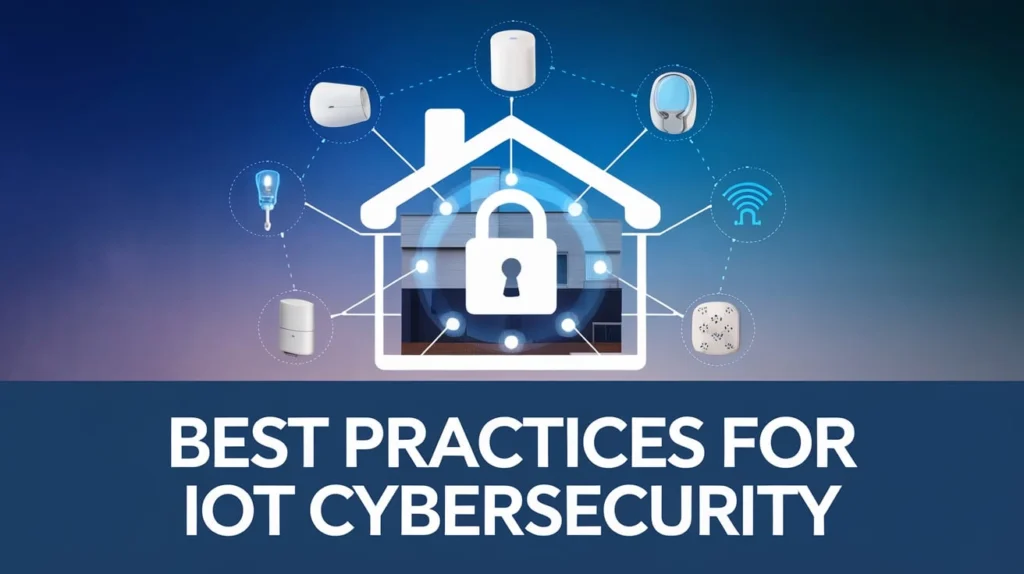
Securing smart devices requires a combination of technical solutions, user practices, and organizational policies.
Technical Measures
- Strong Authentication – Use unique, complex passwords and implement multi-factor authentication (MFA).
- Regular Updates – Keep device firmware and software up to date to patch vulnerabilities.
- Network Segmentation – Isolate IoT devices on separate networks to limit the impact of a breach.
- Encryption – Encrypt data at rest and in transit to prevent unauthorized access.
- Secure APIs – Ensure that application programming interfaces used by devices are robust and protected.
Organizational Policies
- Conduct IoT risk assessments regularly.
- Implement a device lifecycle management strategy, including secure decommissioning.
- Train employees and users on IoT cybersecurity awareness.
User Practices
- Change default credentials immediately.
- Disable unnecessary features and services.
- Monitor device behavior for unusual activity.
- Choose devices from reputable vendors with a strong security track record.
The Future of IoT Cybersecurity
As IoT adoption grows, cybersecurity strategies must evolve to keep pace. Emerging technologies and trends shaping IoT security include:
AI and Machine Learning for Security
Artificial intelligence (AI) and machine learning can help detect anomalies in device behavior, predict attacks, and automate responses.
Blockchain for IoT Security
Blockchain can provide decentralized authentication and secure data exchanges between IoT devices, reducing the risk of tampering.
Edge Computing
Processing data closer to the device (edge computing) reduces the amount of sensitive information transmitted over networks, enhancing security and performance.
Standardization and Regulations
Global efforts are underway to create standardized security protocols for IoT devices, helping manufacturers and users maintain higher security levels.
Challenges in IoT Cybersecurity
Despite advancements, securing IoT ecosystems faces ongoing challenges:
- Device Diversity – Thousands of device types, each with different software and hardware configurations.
- Resource Constraints – Many devices have limited processing power, making encryption and security features harder to implement.
- Supply Chain Risks – Vulnerabilities can be introduced at any point in the manufacturing or distribution process.
- User Negligence – Many security breaches occur due to weak passwords, outdated software, or misconfigured devices.
Internal Linking Opportunities
- Link to articles about “Top IoT Security Tools for Businesses”.
- Link to “Smart Home Security Best Practices” for readers interested in consumer devices.
- Link to “AI in Cybersecurity: Protecting Connected Devices” for advanced solutions.
FAQs
1. What is the biggest security risk for IoT devices? The largest risk is unauthorized access, often caused by weak passwords, outdated firmware, or unsecured networks.
2. How can I secure my smart home devices? Use strong passwords, enable two-factor authentication, update firmware regularly, and segregate devices on a separate network.
3. Are industrial IoT devices more vulnerable than consumer devices? Yes, industrial IoT devices are often more targeted because a breach can disrupt critical operations and lead to financial or safety risks.
4. Can AI help in IoT cybersecurity? Absolutely. AI can monitor device behavior, detect anomalies, and respond to threats faster than human operators.
5. Is blockchain effective for securing IoT devices? Blockchain offers secure, decentralized authentication and data exchange, reducing the risk of tampering and unauthorized access.
Conclusion
The convergence of IoT and cybersecurity smart devices represents both a tremendous opportunity and a significant challenge. While IoT devices bring convenience, efficiency, and innovation, they also introduce new vulnerabilities that can be exploited by cybercriminals. Implementing robust cybersecurity measures—ranging from strong authentication and encryption to AI-based monitoring and blockchain solutions—is essential to safeguard sensitive data and maintain trust in connected systems.
As technology evolves, the importance of proactive IoT security cannot be overstated. By understanding risks, following best practices, and staying informed about emerging trends, individuals and organizations can fully harness the potential of smart devices while minimizing exposure to cyber threats. In the connected world of tomorrow, cybersecurity is not just an option—it is a necessity.