
White hair is a natural phenomenon, but when it appears prematurely, it can raise questions about health, lifestyle, and genetics. At WellHealthOrganic, we emphasize holistic approaches to hair care, focusing on both prevention and treatment strategies for white hair. In this article, we will explore the causes of white hair, effective prevention methods, and tips to maintain healthy, vibrant hair naturally.
Understanding White Hair
White hair occurs when hair follicles stop producing melanin, the pigment responsible for hair color. While aging is the most common factor, lifestyle, genetics, and health issues can accelerate the process. White hair is not just a cosmetic concern—it often reflects underlying health and nutritional status.
Key factors influencing white hair include:
- Genetics and family history
- Nutritional deficiencies
- Stress and hormonal changes
- Environmental factors and pollution
Causes of White Hair
Genetic Predisposition
Genetics play a significant role in hair pigmentation. If your parents or grandparents experienced premature graying, you might be genetically predisposed to it.
Key points:
- DNA influences melanin production in hair follicles.
- Premature graying before age 20 is usually hereditary.
Nutritional Deficiencies
Certain nutrients are crucial for melanin production and hair health. Deficiencies can trigger premature white hair.
NutrientRole in Hair HealthCommon SourcesVitamin B12Essential for melanin synthesisEggs, dairy, fish, fortified cerealsIronSupports healthy blood flow to hair folliclesSpinach, red meat, lentilsCopperHelps in melanin productionNuts, seeds, shellfishZincRegulates hair growthPumpkin seeds, chickpeas, beef
Stress and Lifestyle Factors
Chronic stress can accelerate aging, including the graying of hair. Cortisol, the stress hormone, affects melanin production.
Stress-related causes:
- Sleep deprivation
- Anxiety and prolonged stress
- Unhealthy lifestyle habits like smoking or poor diet
Hormonal Imbalance
Hormonal fluctuations, especially during thyroid disorders or menopause, can lead to premature white hair.
Examples:
- Hypothyroidism or hyperthyroidism
- Menopause-related estrogen changes
- Androgen imbalance in both men and women
Environmental Factors
Exposure to pollutants, chemicals, and ultraviolet radiation can damage hair follicles and reduce melanin production.
Environmental contributors:
- Air pollution
- Harsh hair treatments (bleaching, dyes)
- UV radiation
Prevention of White Hair

While genetics cannot be changed, many preventive measures can slow down or reduce premature white hair. WellHealthOrganic emphasizes a natural and holistic approach.
Balanced Nutrition
Maintaining a nutrient-rich diet ensures your hair follicles receive all essential compounds for melanin production.
Tips for healthy hair nutrition:
- Include protein-rich foods like eggs, fish, and legumes
- Eat antioxidant-rich fruits and vegetables to fight free radical damage
- Ensure adequate intake of iron, copper, zinc, and vitamin B12
Stress Management
Stress reduction can positively impact overall health and hair pigmentation.
Effective stress management techniques:
- Yoga and meditation
- Regular physical exercise
- Adequate sleep (7–9 hours daily)
Hair Care Practices
Proper hair care can prevent oxidative stress and damage.
Hair care tips:
- Avoid excessive heat styling and chemical treatments
- Use natural hair oils like coconut, argan, or amla oil
- Regular scalp massage to improve blood circulation
Avoid Smoking and Alcohol
Smoking increases oxidative stress, which accelerates aging. Alcohol can deplete essential vitamins, affecting hair health.
Lifestyle adjustments:
- Quit smoking gradually or with support
- Limit alcohol intake and stay hydrated
Herbal and Organic Remedies
Natural ingredients are a safer alternative to chemical hair dyes and treatments. WellHealthOrganic recommends using herbs to maintain hair color.
Popular natural remedies:
- Amla (Indian Gooseberry): Rich in vitamin C, supports melanin production
- Black Sesame Seeds: Traditionally used to delay graying
- Henna: Natural coloring and strengthens hair
- Curry Leaves: Enhances hair pigmentation when used regularly
Early White Hair
Explain what early graying looks like, the average age range for normal vs. premature white hair, and why sudden white strands appear. Cover how melanin production slows and what triggers that change.
Genetic Influence on White Hair
Discuss the strong role of genetics in determining when hair turns white. Mention how family history affects melanin loss, what studies show about inherited graying, and why some people gray in their teens or 20s.
Nutritional Deficiencies Causing White Hair and the Best Organic Foods to Prevent It
Explain how lack of Vitamin B12, Vitamin D, copper, iron, folate, and zinc leads to pigmentation loss. Add what WellHealthOrganic recommends — leafy greens, nuts, seeds, fruits, and herbal supplements that restore nutrient balance.
Stress-Related White Hair
Break down how chronic stress increases cortisol and oxidative damage, affecting hair follicles. Include scientific insights and natural stress-relief methods like meditation, yoga, and herbal teas.
Hormonal Imbalance and Thyroid Problems as Major Causes of Premature White Hair
Cover how thyroid disorders, PCOS, and hormonal fluctuations impact melanin production. Mention symptoms, diagnosis, and organic lifestyle changes that support hormonal stability.
Harmful Daily Habits That Trigger White Hair and How to Break Them
List habits like smoking, excessive heat styling, chemical shampoos, poor sleep, and junk food. Explain how each affects hair health and give cleaner alternatives aligned with the WellHealthOrganic approach.
Organic Home Remedies for White Hair Backed by Natural Healing Traditions
Share remedies like amla oil, hibiscus paste, black seed (kalonji) oil, onion juice, fenugreek treatments, and curry leaf-infused oils. Explain how each remedy nourishes follicles and slows pigment loss.
Hair-Friendly Organic Diet Plan to Prevent and Reduce White Hair Naturally
Offer a daily or weekly plan rich in antioxidants, proteins, healthy fats, and vitamins. Include organic fruits, vegetables, nuts, seeds, and herbs like ashwagandha and bhringraj for hair pigmentation.
Dermatologist-Approved Medical Treatments to Manage Premature White Hair
Cover medical options like PRP, mesotherapy, supplements, scalp therapies, melanin-boosting treatments, and professional diagnosis. Explain when to choose medical help vs. natural remedies.
Long-Term Prevention Strategy for Healthy, Natural Hair Color
Provide a full preventive routine including oiling, mild shampoos, regular scalp massage, sun protection, proper sleep, hydration, and nutrient-rich eating. Add organic lifestyle habits for lasting hair pigmentation.
Lifestyle Habits That Promote Healthy Hair
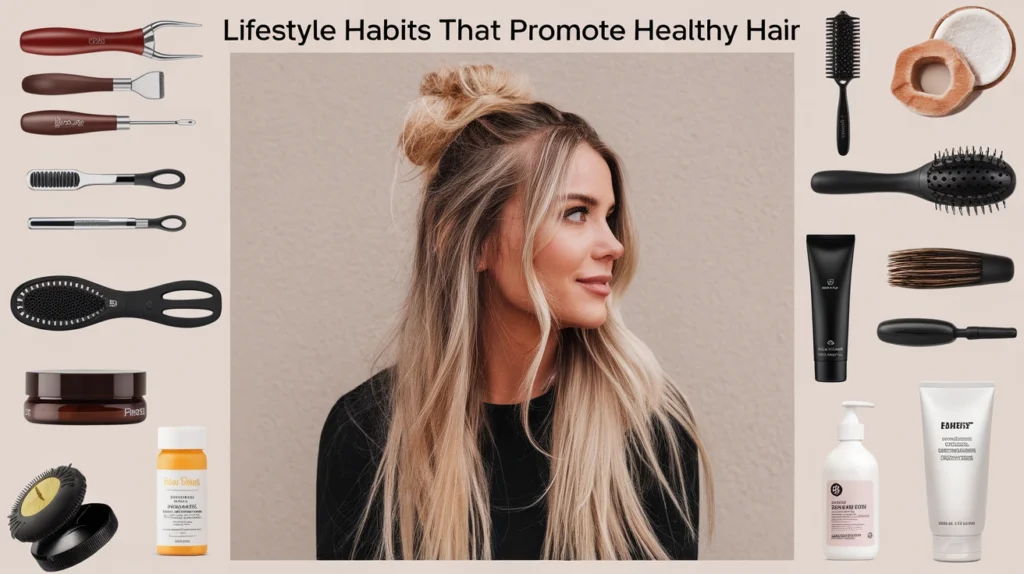
Maintaining overall wellness is key to preventing white hair.
- Exercise regularly: Improves blood circulation to hair follicles
- Stay hydrated: Helps in nutrient delivery to hair roots
- Avoid harsh shampoos: Use sulfate-free, organic shampoos
- Sun protection: Wear hats or use UV-protective hair products
WellHealthOrganic Recommendations
At WellHealthOrganic, we believe in holistic prevention.
- Customized Hair Care: Organic oils and herbal supplements tailored to your hair type
- Routine Checkups: Regular monitoring of vitamin and mineral levels
- Education: Guidance on diet, stress management, and hair care routines
FAQs
Can white hair turn back to black naturally? While complete reversal is rare, improving nutrition, reducing stress, and using natural remedies can slow graying and sometimes restore partial pigmentation.
At what age is white hair considered premature? White hair before the age of 20 in Caucasians, 25 in Asians, and 30 in Africans is typically considered premature.
Does stress really cause white hair? Yes. Chronic stress increases cortisol, which negatively impacts melanocyte activity, leading to premature graying.
Which foods help prevent white hair? Foods rich in B vitamins, iron, copper, zinc, and antioxidants, such as eggs, spinach, nuts, and berries, support hair pigmentation.
Are natural hair dyes safe for white hair? Yes. Ingredients like henna, indigo, and herbal oils are safe and strengthen hair without the harmful effects of chemical dyes.
Conclusion
White hair is a natural part of life, but premature graying can be influenced by nutrition, lifestyle, stress, and environmental factors. With the right balance of diet, stress management, and natural hair care practices, it is possible to slow down or prevent white hair. WellHealthOrganic advocates a holistic, organic approach to hair wellness, emphasizing prevention rather than just cosmetic solutions. By nurturing your hair from the roots and adopting a healthy lifestyle, you can maintain vibrant, youthful hair naturally.
Internal Linking Suggestions:
- Link to related articles: “Benefits of Amla Oil for Hair Growth”
- “Top 10 Organic Hair Masks for Healthy Hair”
- “Stress Management Tips for Healthy Hair”